One homeowner wants winter grime off a concrete driveway. Another sees dark streaks on a second-story roof and asks whether you can “pressure wash” them away. Both may find you through the same search, but they need different answers before they request an estimate. The first wants to know whether you clean the apron and sidewalk as part of the job. The second needs to know whether you work on that roof material and how you decide what cleaning method is appropriate.
A pressure washing website should show what you clean, where you work, what customers can expect from the job, and what you need to quote it. The best place to start is with the surfaces customers recognize. If you’re auditing an existing site, jump to the free Exterior Washing Quote Worksheet to follow along.
Key Takeaways
- A pressure washing website should clearly specify the services offered for different surfaces and areas, helping customers find relevant information easily.
- Include sections for house washing, driveways, roofs, and commercial cleaning to guide customers in understanding what you can do.
- Explain how you choose cleaning methods and handle customer inquiries to set proper expectations before service.
- Use detailed quote forms that address specific requests based on the surface and condition, allowing efficient estimations.
- Finally, keep communication clear about what happens after the quote, including response times and preparation instructions for booked services.
Let customers choose what needs cleaning
Put the jobs you actually take near the top of your homepage. A homeowner looking at green siding can find House Washing, while someone with a stained driveway can find Driveways and Concrete. Give roof cleaning its own route if you offer it. If you wash siding but leave roofs to another trade, say so on the house washing page, where someone asking for a whole-house wash is likely to look.
- House washing. Name the siding materials you work on and explain whether the typical scope includes soffits, fascia, or the exterior of gutters. Spell out whether windows, decks, and detached garages need a separate estimate.
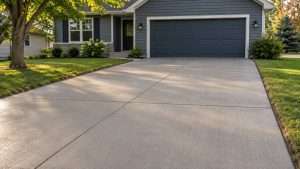
- Driveways and concrete. Show which flatwork you handle, including patios, steps, sidewalks, or aprons. Mention that coatings, surface condition, and particular stains can affect what you can quote or promise.
- Roof cleaning. List the roof materials you accept and explain when you need an inspection or more information. Show what the customer should tell you if they know about missing shingles, leaks, or recent repairs.
- Commercial exterior cleaning. Give property managers a route to describe multiple entrances, customer traffic, operating hours, and the person who can approve the scope. A storefront sidewalk and a loading area can require different access arrangements even at the same address.
A small crew may be able to explain these services well on one page with clearly labeled sections. Give a service its own page when you have enough distinct answers, work photos, and scope details to help someone decide. Use this service page planning guide to check what a visitor needs before contacting you.
Explain how you choose the method
People use “pressure washing” as a broad name for exterior cleaning. On your website, explain how you assess the surface and what a customer can expect you to check before you start. For instance, you could write, “Tell us what the surface is made of and what you’re seeing. We’ll check its condition and explain what cleaning method we can offer.” That gives a homeowner a reason to share useful details even if they have never heard the term “soft washing.”
Roof cleaning deserves particular care. The Asphalt Roofing Manufacturers Association’s guidance on algae discoloration advises against power washing asphalt shingles and points readers to the shingle manufacturer for product-specific guidance. If you accept asphalt-shingle jobs, explain that your team reviews the material and condition before confirming the scope. A roof with unknown material or visible damage should have a clear path to further review.
Set the same expectation for the driveway customer. If someone wants a dark spot gone before listing a home, ask whether they know what caused it and whether anyone has already treated it. On the service page, tell them how you discuss likely results before they accept the estimate. That conversation is easier when your gallery shows an ordinary result on a similar surface, with a caption explaining the work.
Ask different questions for different quote requests
Start a quote form with contact details, job ZIP code, and the area to be cleaned. Ask for the street address upfront if you use it to confirm service coverage or review the site. If your team only needs the ZIP code at first, collect the address when it becomes useful. Let people choose more than one area and include an “I’m not sure” option. The questions that follow should help you decide whether you can quote from the information provided or need to follow up.
Example 1: A driveway and front walk
- Scope. “Which areas should we include?” Offer driveway, front walk, steps, and an optional notes field for anything beyond those choices. A visitor can say they want the walk to the front door included and the public sidewalk left out.
- Surface and condition. Ask whether it’s bare concrete, coated concrete, pavers, or unknown. Offer a short place to mention oil spots, paint, sealer, or an area that is already flaking. Ask for an approximate size only if staff use it to quote.
- Access. Ask if there are vehicles, a gate, or a shared driveway. If your crew needs access to a working outdoor water connection, tell customers that on the form and ask whether one is available.
- Photos. Ask for one wide view showing the boundaries and an optional close-up of the spot they care about most. If they skip the photos, let them submit and tell them you may need to follow up.
Example 2: Streaks on a second-story roof
- Material. Ask whether the roof is asphalt shingles, metal, tile, or unknown. If you only handle certain materials, show that beside the question.
- Location and condition. Ask where the marks are visible from the ground and whether the customer knows about leaks, loose materials, or repairs. Give them room to say that only one side is visible.
- Access. Ask what might affect reaching the work area, such as a narrow side yard, locked gate, or attached structure. If they don’t know, make it easy to say so.
- Photos. Invite a wide photo from ground level if the area is safely visible. Tell customers to skip the photo if getting it would require climbing or entering an unsafe area.
The two requests can reach the same inbox. Label each with the service so your estimator can see which questions were answered. For a multi-surface job, show only the follow-ups that matter. The landscaping estimate form examples show how one business can collect different details for different kinds of work.
Tell customers what happens between the quote and the wash
Use Request an Estimate if your team needs to review submissions before offering a price or appointment. A useful confirmation says, “We received your request. We’ll review the areas you selected and contact you about an estimate or a site visit.” If you have a response window you can consistently meet, put it in the same message. If the visitor uploaded photos, show whether the files went through and give them a way to continue if an upload fails.
On each service page, show the locations you cover and explain how you handle borderline addresses or commercial jobs farther out. If you display a starting price, identify the work it covers and name the details that can change the total. Walkway length, extra surfaces, difficult access, and stain treatment are easier to understand than an unexplained “prices vary.”
Use job photos you have permission to share. Label the surface, the scope, and any visible condition that matters. Keep before-and-after images comparable and avoid promising that a similar-looking stain will respond the same way. If a property manager needs evidence of insurance or details on how your crew will handle pedestrian access or wash water at that site, give them a contact route and explain when those details are confirmed.
Give booked customers a short preparation page or confirmation link with the instructions your crew actually uses. That might include where to park, which gates to unlock, when to close windows, and how to reach you if the weather changes. Put the same wording in the confirmation and on the site so customers know which instructions to follow.
Test both requests on a phone
- Start on the homepage and try to find driveway cleaning and roof cleaning separately. Check whether each page names its surfaces, service area, and next step.
- Send a staff-approved test for the driveway and front walk with a photo. Check whether the request includes the scope and whether the photo reaches the estimator.
- Test a roof request with unknown material and no photo. Verify that the form accepts it and that the confirmation describes review before any appointment.
- Open the form on another phone, test a failed upload, and check that you can recover without starting over. Use the contact form testing guide to confirm that messages reach the right person.
Get the Exterior Washing Quote Worksheet
Get Your Free Exterior Washing Quote Worksheet
Want help seeing where customers get stuck? We’ll look at your website and online presence and identify specific improvements.