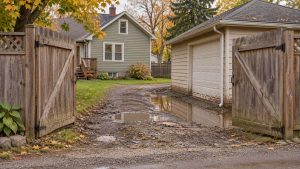
Two requests arrive for “exterior trim.” One is a front door and frame off a level porch. The other is peeling trim above a sloped driveway. Both homeowners picked the right service. Those extra details tell the estimator whether to plan for straightforward porch access or assess a work area over a slope.
A painting estimate form should give your team enough information to choose the next step. Start with what the customer wants painted, what they can see about its condition, and anything that changes access. Give people a way to say they’re unsure. Your estimator can confirm measurements, preparation and scope when they follow up.
Key Takeaways
- Ask for project type, surfaces, visible condition and site access before the estimator follows up.
- Show different questions for interior, exterior and cabinet jobs. Let customers say they’re unsure.
- Flag pre-1978 and unknown-age properties for staff review when your business handles older buildings.
- Put scope, visible condition, access and timing at the top of the estimator’s notification.
- Test the form on a phone and read the actual notification. Tell customers what happens after they submit.
Get the Painting Estimate Form Worksheet to test your questions and the estimator notification.
Ask only what changes the next step
Start with name, a way to reply, the project ZIP code or town, and a choice of interior, exterior, cabinets, multiple areas or “I’m not sure.” Ask for the street address at this stage if you need it to establish coverage or arrange a visit. Ask for target timing in plain terms, such as “before move-in,” “this season” or “flexible.” Someone who mentions a closing date may need a conversation about when they can give you access.
Then show a few questions for the type of work they picked. If you offer multiple services and the customer selects more than one, ask which area they want to discuss first and leave space to list the others. You can gather the remaining details in a single follow-up. If customers routinely select the wrong service, review how your painting contractor website describes each service before adding more questions.
Look at each proposed field with your estimator. What would they do differently if the answer changed? A second-story window over a slope could change who visits and what they need to assess. A paint color usually can wait. If a required answer seldom changes what happens next, make it optional or move it to the estimate visit.
Give each project type its own questions
Interior painting
Surface. “Which rooms or areas are involved?” Ask whether they want walls, ceilings, trim, doors or a combination. Let someone describe “entry and stair hall” in their own words. That’s more useful early on than an exact square-foot total, especially when the work spans more than one floor.
Preparation. “What can you see that we should take a look at?” Offer examples such as wallpaper, stains, cracks and patched areas. A homeowner can tell you there’s a brown mark on a ceiling. Your team can ask whether the cause has been addressed and decide how to assess the surface.
Access. Ask whether rooms are occupied, and whether a tall stairwell or other hard-to-reach area is involved. “Living room walls, ceiling stain by the window, furniture stays until moving day” gives your estimator a useful follow-up about the stain and whether the room will be available before or after the move.
Exterior painting
Surface. Ask whether the request is for siding, trim, doors or a combination. Ask which sides of the building are involved and how many stories are visible from the ground. Include “unsure” for siding material. The estimator can identify it at the visit.
Preparation. Ask where the owner sees peeling, bare areas or damage. “Paint peeling on the west-facing window trim” gives the estimator a place to start. Let visitors add an optional photo from a safe, ground-level position. Avoid asking them to climb, scrape or probe a surface.
Access. Ask whether a steep slope, narrow gate, porch roof or neighboring property affects the area. “Second-floor trim over a sloped driveway” is enough to flag access for the estimator. The estimator decides how the crew could reach the work safely after reviewing the site.
Cabinet painting
Surface. Ask whether they mean cabinet doors and drawer fronts, the exposed frames, an island or all of those. An approximate door and drawer count can help if they know it. A photo of the whole run or a rough count is often more practical for the first conversation than a measurement of every piece.
Preparation. Ask if the finish is painted, wood-toned or unknown, and whether anything is flaking, chipped or visibly damaged. “The finish is worn around the sink” gives the estimator something specific to inspect before discussing preparation and what should be included.
Access. Ask whether the kitchen will be in regular use and whether there’s a date the homeowner is working around. If your process involves removing doors or drawer fronts, explain during follow-up which work happens on-site and what access or disruption the customer can expect. The answer should reflect your shop’s actual process.
Route older properties and unclear scope for a callback
If you work on older properties, include “Was the building constructed before 1978?” with “Yes,” “No” and “I’m not sure.” Explain briefly that the answer helps your team review preparation requirements. The EPA’s guidance for painting and renovation contractors explains when its Renovation, Repair and Painting Rule applies to work that disturbs paint in pre-1978 housing and child-occupied facilities.
Treat “yes” and “I’m not sure” as prompts for staff review. Building age alone doesn’t establish whether a particular job is covered. Have the person responsible for reviewing that work confirm the applicable requirements and whether your business can take it on before anyone promises a method, price or start date.
Give uncertain customers a route through the form. Someone who wants “the outside of the bay window done” may mean trim, siding or both. A short description and a callback can settle what the choices couldn’t. The same approach works for a cabinet request where the owner hasn’t decided whether the frames are included.
Show your estimator the answers in the order they need them
Put the project type and town in the notification subject. Lead the message with scope, visible condition, access and timing. Put the contact details and any photos immediately after those answers. A usable notification could read:
Exterior trim · Waukesha
West side, second-floor windows. Customer reports peeling. Sloped driveway below windows. Timing flexible this season. Building age unknown. No photos included.
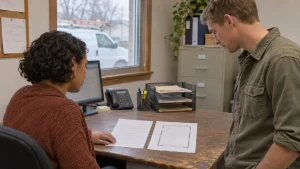
Assign the follow-up to the person who can decide what happens next. In this example, the estimator can confirm the age and arrange a site assessment with access in mind. For a cabinet request that says “doors only” but includes an island photo, the next step could be one question about whether the island and exposed frames are part of the request. Record that answer before handing the job off again.
Tell the customer what happens after submission. For example, “We received your estimate request. We’ll review the project details and contact you about the next step.” If people can also book an estimate visit on your site, distinguish that from sending a request so they can tell whether anyone is scheduled to come out.
Run four requests through the form before you use it
On a phone, send yourself an occupied interior repaint with a stain, a second-story exterior request with limited access, a cabinet project with an approximate count, and a mixed request from someone who knows very little about the property. Leave the optional photo blank on at least one submission. Make sure the customer can move forward even when they lack a measurement or aren’t sure of the surface material.
Check the prompts and any upload help on the actual device. State accepted photo types and size limits by the upload field, and keep the instructions visible while customers answer. The W3C guidance on form instructions covers where to put required-field and input-format instructions so people can find them.
Read the actual estimator email for each test. Can someone tell what to inspect and what question to ask next without opening another system? Does “I’m not sure” survive the handoff? Does the customer see a clear confirmation? Use the website contact form testing guide to check receipt and follow-up beyond the form preview.
If the same answer goes missing twice in real requests, review where it was lost. The question might be unclear, the chosen branch might hide it, or the notification might leave it out. Fix that point and run the same request again.
Get the Painting Estimate Form Worksheet
Use the one-page worksheet to run sample interior, exterior and cabinet jobs through your own form. Check what reaches the estimator and pick three improvements.
Get Your Free Painting Estimate Form Worksheet
Get a Free Website Review
If your website gets inquiries but your estimator still has to start every call from scratch, Industry Ignitors can review the path from the service page through the form and identify where customers could give your team a clearer starting point.